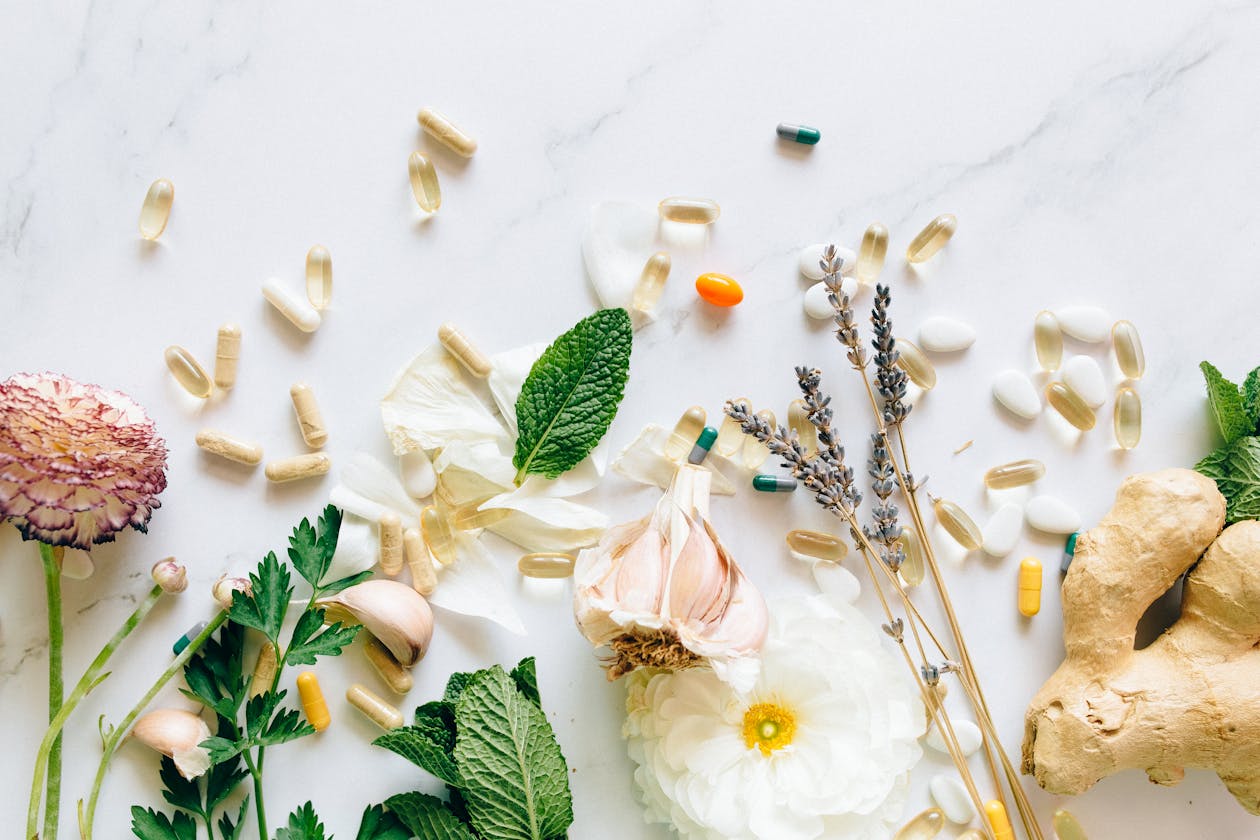
Natural hair loss treatments occupy a specific niche: less potent than prescription finasteride, but with dramatically better tolerability. Several compounds have genuine clinical trial data — not just ingredient-level studies, but product-level RCTs. Here's what's worth considering and what isn't.
Compounds With Clinical Support
Saw Palmetto
The most studied natural 5-alpha-reductase inhibitor. A 2012 head-to-head trial with finasteride showed 38% of saw palmetto users improved (vs. 66% for finasteride) — less effective but statistically significant. Inhibits both Type 1 and Type 2 5-AR. Excellent safety profile.
Pumpkin Seed Oil
A 2014 double-blind RCT showed 40% increase in hair count at 400mg/day over 24 weeks vs. placebo. One of the strongest single data points for any natural DHT-blocking compound.
Beta-Sitosterol
Plant sterol that competes with DHT at androgen receptors. Most effective combined with saw palmetto — the 2002 study showing significant results used the combination.
Why Combinations Win
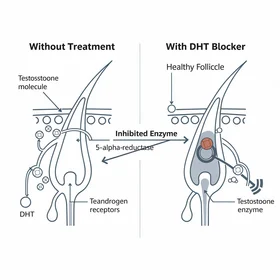
Single ingredients produce modest results. Combination products that stack multiple DHT blockers + add a topical component perform better because they hit the pathway from multiple angles.

Procerin: oral DHT-blocking capsules + XT topical activator foam.
Procerin combines saw palmetto, beta-sitosterol, pumpkin seed extract, zinc, B6, and supporting botanicals in oral capsules, plus the XT Topical Activator Foam (Capixyl-based). It's been evaluated in an IRB-approved, double-blind, placebo-controlled study — a level of oversight that's extremely uncommon for OTC supplements and is the same standard applied to pharmaceutical trials.
Honest Limitations
Natural treatments won't match finasteride's ~60% scalp DHT reduction. They work best for early-stage loss (Norwood I–III) as a preventive/maintenance approach. If your loss is progressing despite 6+ months of consistent natural treatment, consider escalating to Procerin Rx — topical finasteride + minoxidil with lower systemic exposure than oral finasteride.
Steps to Start Natural Hair Loss Treatment
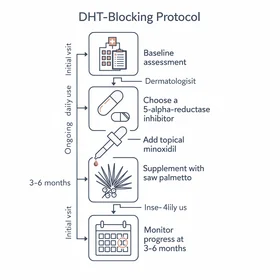
If you've decided to try a natural approach, here's how to get started:
- Choose a quality combination product. Single-ingredient supplements produce modest results. Look for products that stack saw palmetto, beta-sitosterol, pumpkin seed oil, and zinc — and ideally have product-level clinical data (not just ingredient-level studies).
- Add a topical component. Oral DHT management works systemically; a topical activator delivers concentrated support at the follicle level. The dual approach produces better results than either alone.
- Set a consistent daily routine. Take capsules with food at the same time each day. Apply topical to clean, dry scalp. Consistency matters more than timing.
- Document baseline and track progress. Take photos at day 1, then monthly in the same lighting. Compare month 1 to month 4 — not day-to-day mirror checks.
- Evaluate at 90 days. If shedding has slowed and early thickening is visible, continue. If no change after 6 months of consistent use, consider escalating to prescription options.
What Doesn't Work
- Biotin — no effect on androgenetic alopecia unless you have a deficiency
- Essential oils — no clinical evidence for pattern baldness
- Scalp massages — don't address the DHT mechanism
- Most "hair growth" vitamins — vitamin deficiencies can cause shedding, but correcting them doesn't reverse DHT-driven loss